Iron Log
The next set, already worked out.
Workout logging with GZCLP coaching: the exercise, weight, sets, and reps are planned by the app. Apple Watch logging keeps the interaction short between sets.
Personal projects
A timer for a solve. A thought worth keeping. A way back into a book. I’m building a collection of personal tools around the things I actually do.
Each app has a particular job. Together, they’re also a place to practice building, operating, and improving software with AI agents.
Six apps · One shared workflowCubeTime
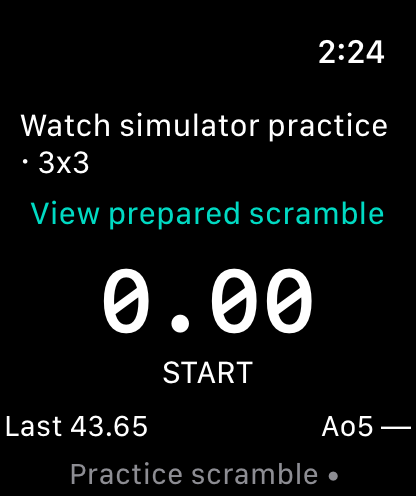
A cube timer that reaches your wrist.
CubeTime keeps solves and sessions together. The Apple Watch app puts the timer within reach, so starting and logging a solve doesn’t mean returning to a laptop or phone each time.
PodStop
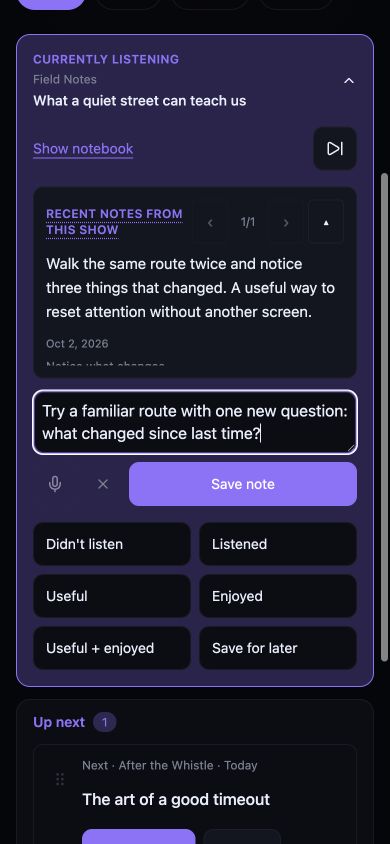
A home for the thoughts that survive an episode.
New episodes arrive through RSS. A listening queue, quick notes, and voice capture make it easy to record what stood out. History, follow-ups, and a weekly review help bring those ideas back later.
Reading Buddy
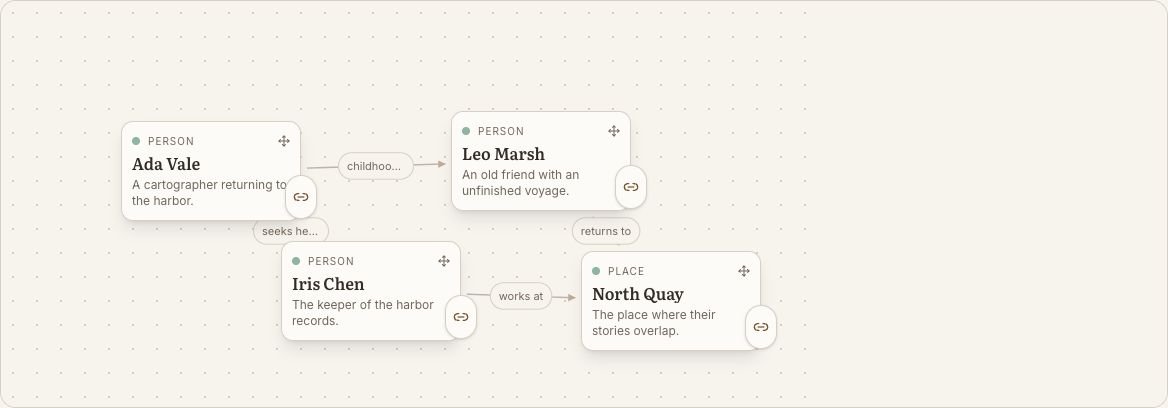
Characters, connections, and notes that stay with the book.
Reading Buddy keeps reading progress, quotes, words, and notes in one place. Its character map makes a complicated cast easier to revisit: people, places, and the relationships between them.
The hook A map you build as your understanding of a book grows.
The rest of the suite
The next set, already worked out.
Workout logging with GZCLP coaching: the exercise, weight, sets, and reps are planned by the app. Apple Watch logging keeps the interaction short between sets.
Make room for deliberate practice.
A place to organize a ten-week learning challenge, track progress, and keep the work visible over time.
One board for the work behind the apps.
Ideas become tickets, agents pick up scoped work, and changes come back for review. Its API lets different agents use the same backlog.
Behind the screens
The apps solve different problems. Workshop keeps their development connected: one backlog, explicit tasks, and a place to review what changed.
Research, ticket shaping, and verification. Turn an observation into work that can be picked up.
Implementation in the repositories. Inspect the app, make the change, test it, and bring it back for review.
Hosted build sessions. Another way to move scoped work forward, including away from the laptop.
Workshop, PodStop, and Reading Buddy have agent APIs. They give agents specific, revocable permissions: work with tickets, read listening notes, or update a book’s character map.
That connects the tools without making every agent an unrestricted user. Code changes go through pull requests; I decide what ships.
The aim is useful software that keeps getting better through use.
App images show fictional sample data or simulator practice data. This page is a snapshot of work in progress.